Project highlights
- Client: Virši-A
- Sector: Retail sale of automotive fuel, transport energy, convenience store chain, electricity
- Website: https://www.virsi.lv
- Country: Latvia
- Service: Stakeholder engagement and double materiality review
- Service info: Expert-led stakeholder engagement and review of the company’s impacts, risks, and opportunities (IROs)
- Project lead:
- Why it matters: Stakeholder engagement ensures companies focus on the sustainability issues that most significantly affect their business and the people and environments they impact
- Outcome: A clear view of stakeholder priorities, helping the business understand what matters most to its key stakeholder groups as well as to validate the proposed sustainability strategic objectives.
The context
Virši-A is one of Latvia’s leading energy and retail companies, operating a nationwide network of fuel stations and convenience stores. Alongside the retail sales of automotive fuel, the company supplies electricity and everyday consumer goods and is actively investing in renewable energy solutions, including biomethane production and solar power for self consumption.
The Sustinere team first supported Virši-A through the company’s first Double Materiality Assessment (DMA), conducted by Sustinere Latvija experts. Two years later, the collaboration continued when Virši-A decided to update its DMA and complement it with a structured stakeholder engagement process.
This decision was driven by several factors. Discussions with auditors and banks highlighted increasing expectations around CSRD-aligned sustainability assessments. At the same time, Virši-A was developing a new corporate strategy with clearly defined sustainability KPIs, making it essential that the company’s priorities were aligned not only internally, but also with the expectations of suppliers, customers, employees, and shareholders.
Before the project, although stakeholders had provided feedback and shared their perspectives, the input was dispersed across various sources and formats, lacking coherence and coordination. Without a structured method to consolidate and analyze this information, valuable insights remained fragmented and were not effectively incorporated into decision-making. This hindered the ability to form a clear, evidence-based understanding of stakeholder priorities. Virši-A therefore required a structured and reliable approach to stakeholder engagement – one that would support both regulatory compliance and strategic planning.
This need became the starting point for the collaboration with Sustinere Latvija on expert-led stakeholder engagement as part of the DMA update.
What we delivered
Sustinere Latvija designed and implemented a tailored stakeholder engagement process aligned with the requirements of a DMA. The work combined quantitative and qualitative methods to assess Virši-A’s impacts, risks, and opportunities (IROs) from the perspective of key stakeholder groups.
The project was led by experts at Sustinere Latvia, who guided Virši-A through the entire process—from stakeholder mapping and survey design to interviews, analysis, and summarizing the results. Particular attention was given to selecting the right stakeholder groups and formulating targeted questions to ensure the process remained focused, relevant, and manageable.
A key element of the approach was clarity and prioritization. Instead of relying on long, generic questionnaires, Sustinere applied a dual methodology that combined structured surveys with in-depth qualitative interviews. This approach enabled a broader range of stakeholders to participate while also capturing rich, nuanced insights. The survey allowed for efficient data collection across a wide stakeholder base, while the interviews provided an opportunity to explore key themes in more depth, surfacing practical suggestions and strategic concerns that would likely be missed through survey data alone.
This integrated method ensured that both quantitative breadth and qualitative depth were achieved, resulting in a well-rounded, evidence-based understanding of stakeholder expectations and priorities.
The outcome was a clear and well-documented overview of stakeholder priorities, fully integrated into the updated DMA. The results provided Virši-A with robust, defensible data that can be used in sustainability reporting, discussions with auditors and banks, and internal decision-making.
Just as importantly, the findings were communicated internally through expert-led presentations to the management team, helping them understand not only the results but also the reasoning behind them. In addition, the main outcomes of the process were shared with shareholders, ensuring transparency and reinforcing the strategic importance of stakeholder engagement.
In their words
Sustainability work at Virši-A is closely linked to strategy and everyday business decisions, and structured stakeholder engagement plays a key role in strengthening this connection. Before the project, stakeholder feedback did exist, but it was dispersed across different channels. Insights from suppliers and customers were difficult to gather and compare in a consistent way. Bringing in external experts helped the company step back, assess the situation objectively, and build a structured process that would have been difficult to develop internally.
As the work progressed, the value of the engagement became increasingly clear through the quality and credibility of the results. The methodology provided Virši-A with a solid, evidence-based foundation for internal discussions, sustainability reporting, and dialogue with external stakeholders.
“We now have evidence-based results that we can stand behind — both internally and externally. If someone questions our priorities, we can clearly show how stakeholder views have been considered.”
The engagement also reinforced the practical value of sustainability work and the importance of investing in quality over speed which proves to be particularly important at a time when the role of legislation in the sustainability context is so highly variable.
“Sustainability is no longer just about regulatory compliance or a burden, it’s an opportunity to increase profit and create real value. Structured stakeholder engagement, with personal involvement from key decision-makers, delivers far more than a superficial survey by tailoring solutions and uncovering genuine business opportunities.”
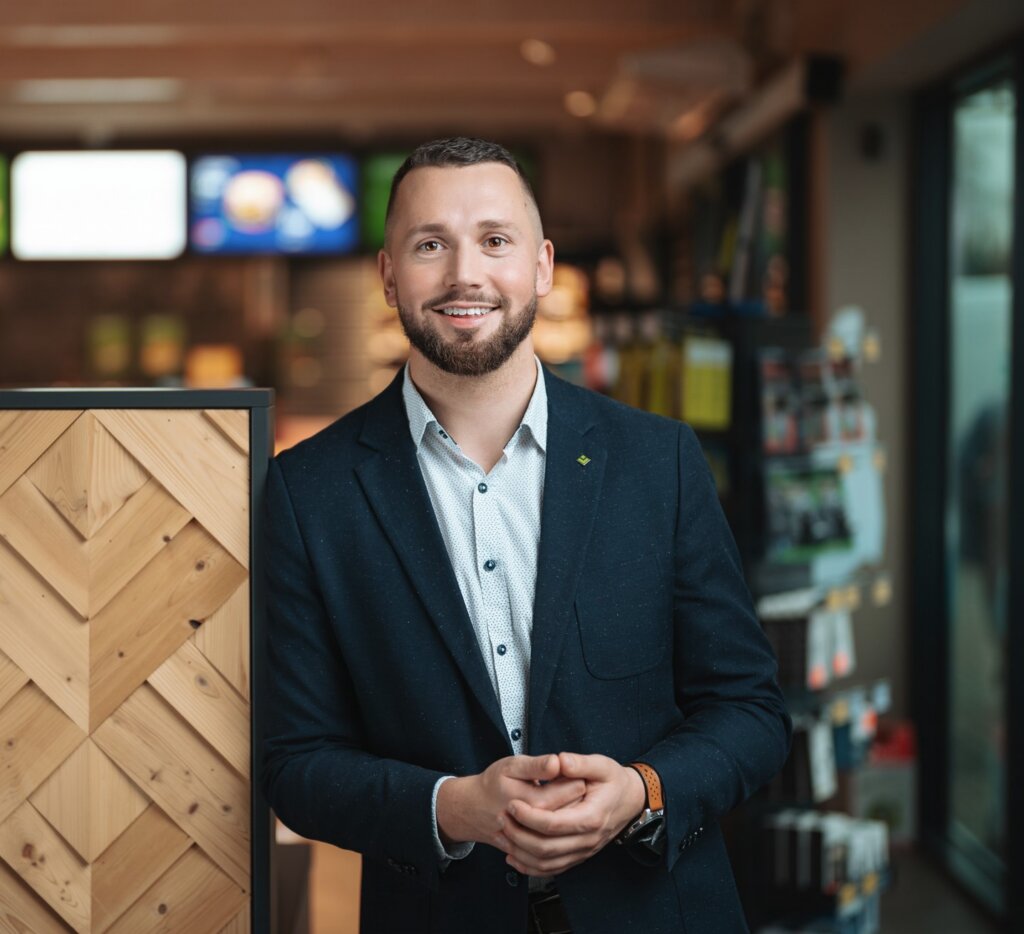
Anrijs Tukulis, Head of Sustainability and Energy Efficiency, Virši-A
These insights illustrate how a structured stakeholder engagement process has enabled Virši-A to transform previously fragmented feedback into meaningful, evidence-based input that supports more informed and forward-looking planning, enhances trust with external stakeholders, and ensures that sustainability efforts generate tangible business value rather than serving solely a compliance exercise. It also made it possible, through conducting qualitative interviews, to understand how diverse the understanding of sustainability topics is, while still arriving at comparable data that can be used further.
The result
The stakeholder engagement confirmed that the overall conclusions of Virši-A’s initial DMA were directionally correct, while also adding depth and nuance. Although quantitative results largely aligned with earlier assumptions, qualitative interviews revealed practical insights and concrete suggestions that could be acted quickly.
Several stakeholder comments were directly relayed to relevant teams, particularly those working with franchise partners, leading to actionable follow-ups. These insights not only validated existing strategies but also uncovered concrete areas for improvement and new opportunities for collaboration.
The results have already been used to:
- Support the company’s sustainability reporting and communication
- Inform the development and refinement of sustainability KPIs in the corporate strategy
- Adjust strategic priorities in response to regulatory changes, such as transport energy legislation
- Strengthening internal understanding of material sustainability topics through in-person presentations
Overall, the process gave Virši-A a stronger evidence base for sustainability decisions and increased confidence that stakeholder expectations are being meaningfully considered.
What’s next
Virši-A continues to use the results of the stakeholder engagement in sustainability reporting, strategic planning, and internal discussions. As the company plans future updates to its strategy and KPIs, the insights gained from stakeholders will serve as a reference point for prioritization.
There is also potential to deepen engagement with specific stakeholder groups, such as suppliers, as Virši-A moves forward with initiatives like supplier audits and experience of exchange with partners.
With a solid foundation now in place, Virši-A is better equipped to ensure that its sustainability efforts are not only compliant, but also meaningful, trustworthy and aligned with the expectations of those who matter most to the business.